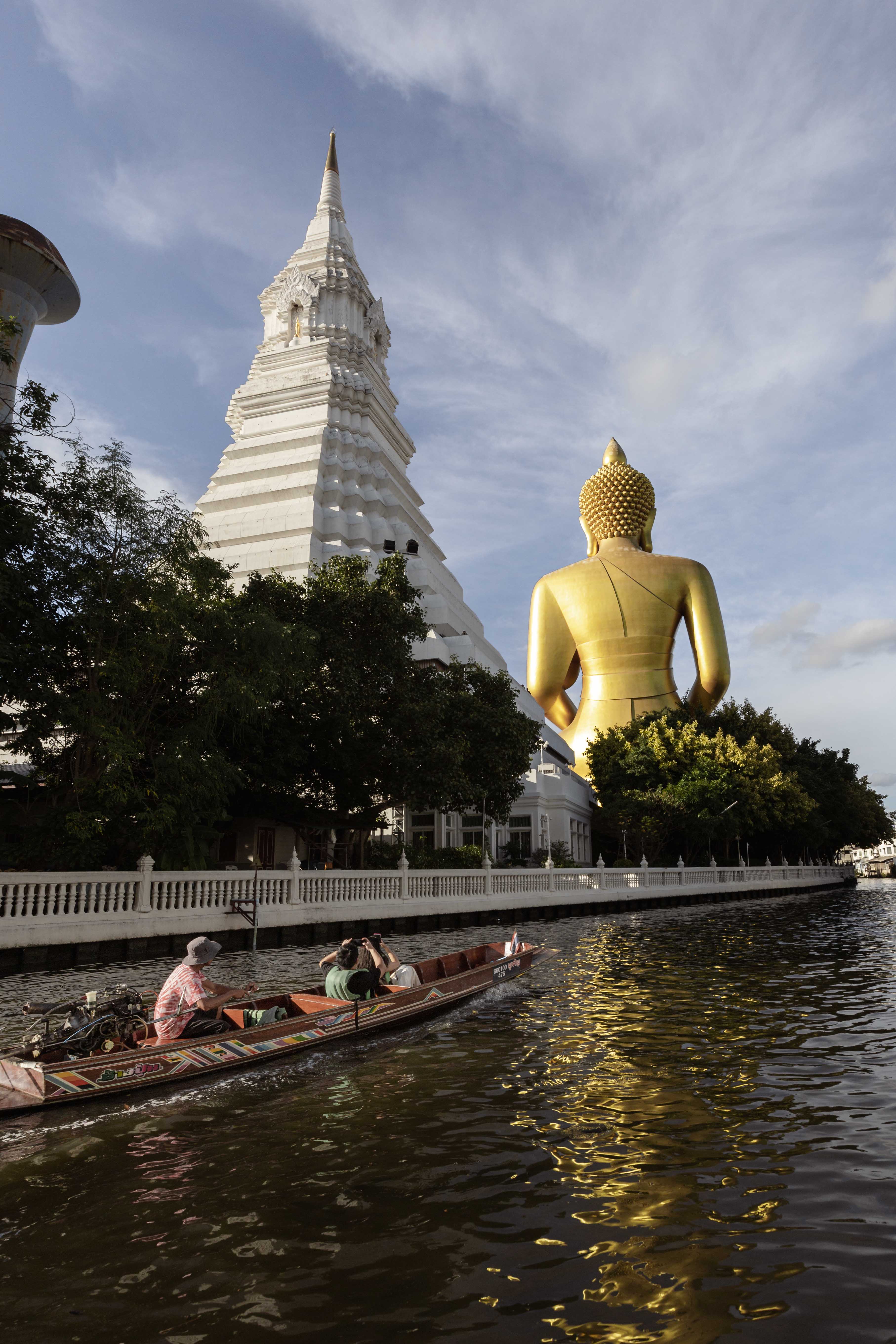
Boat tour to the Giant Buddha & More
Ride to the Giant Buddha at Wat Paknam — from 800 THB.
See more photos & details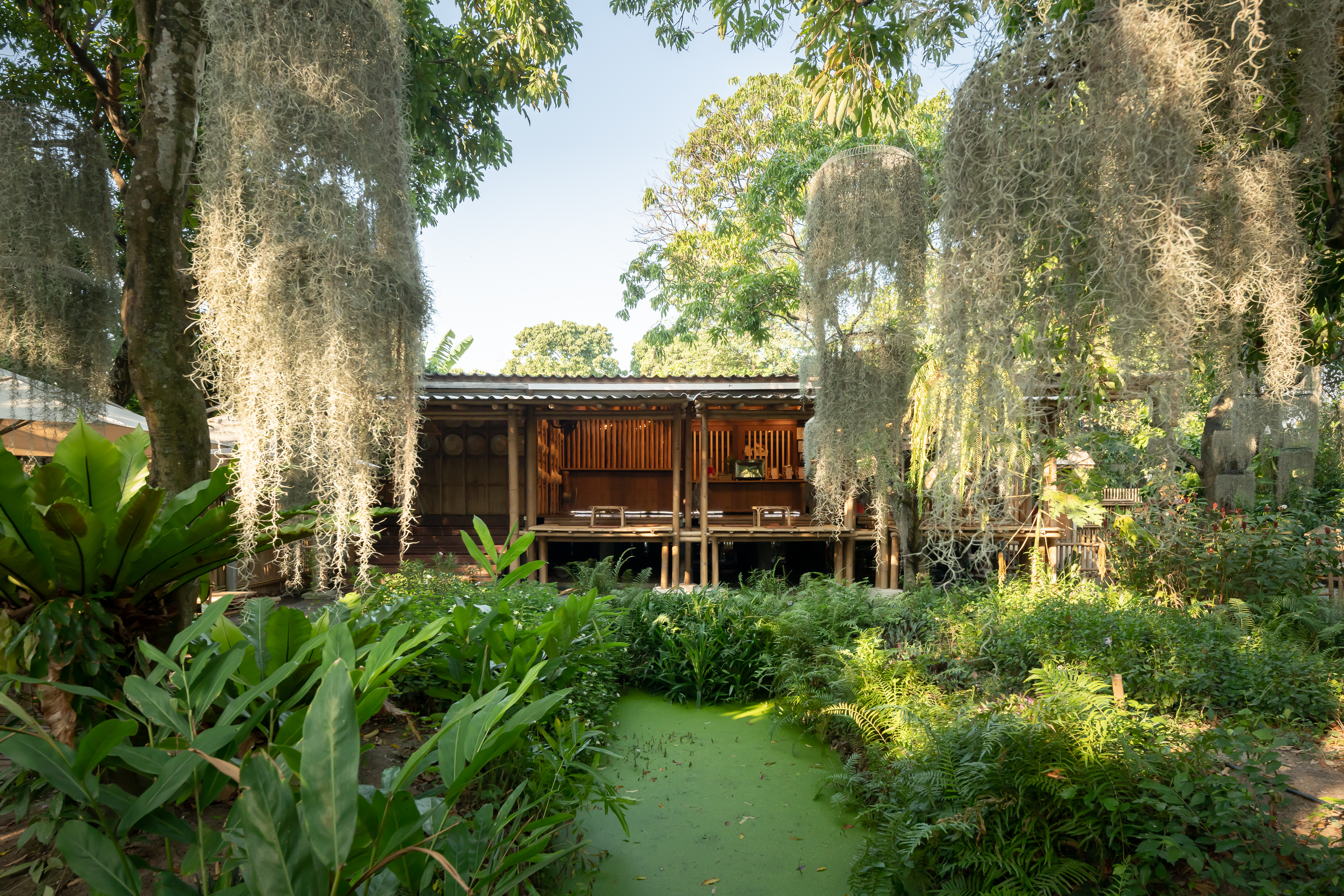

Chom Thong, Bangkok · Eco-Cultural Heritage Garden
Beyond the orchard
Ride to the Giant Buddha at Wat Paknam — from 800 THB.
See more photos & details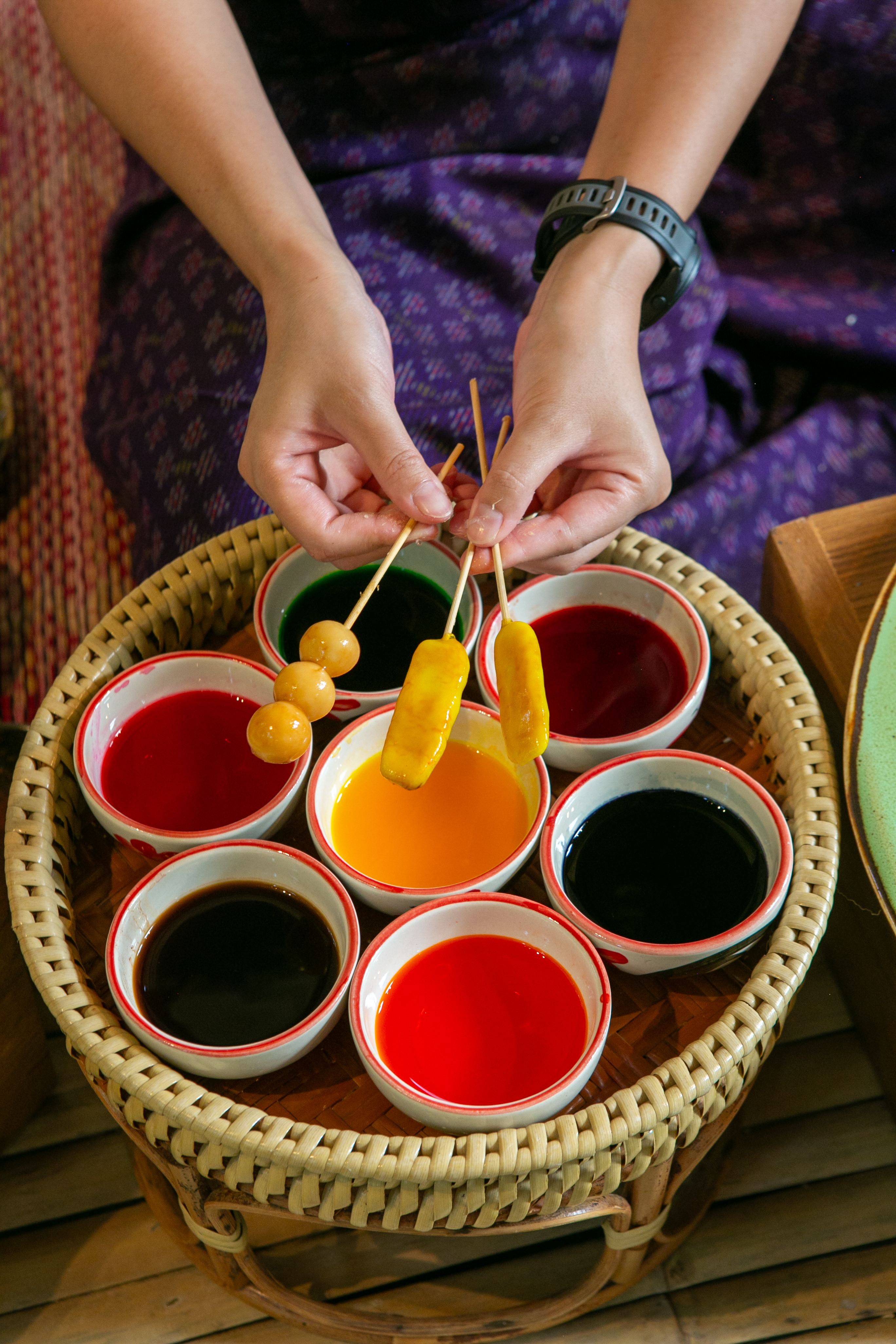
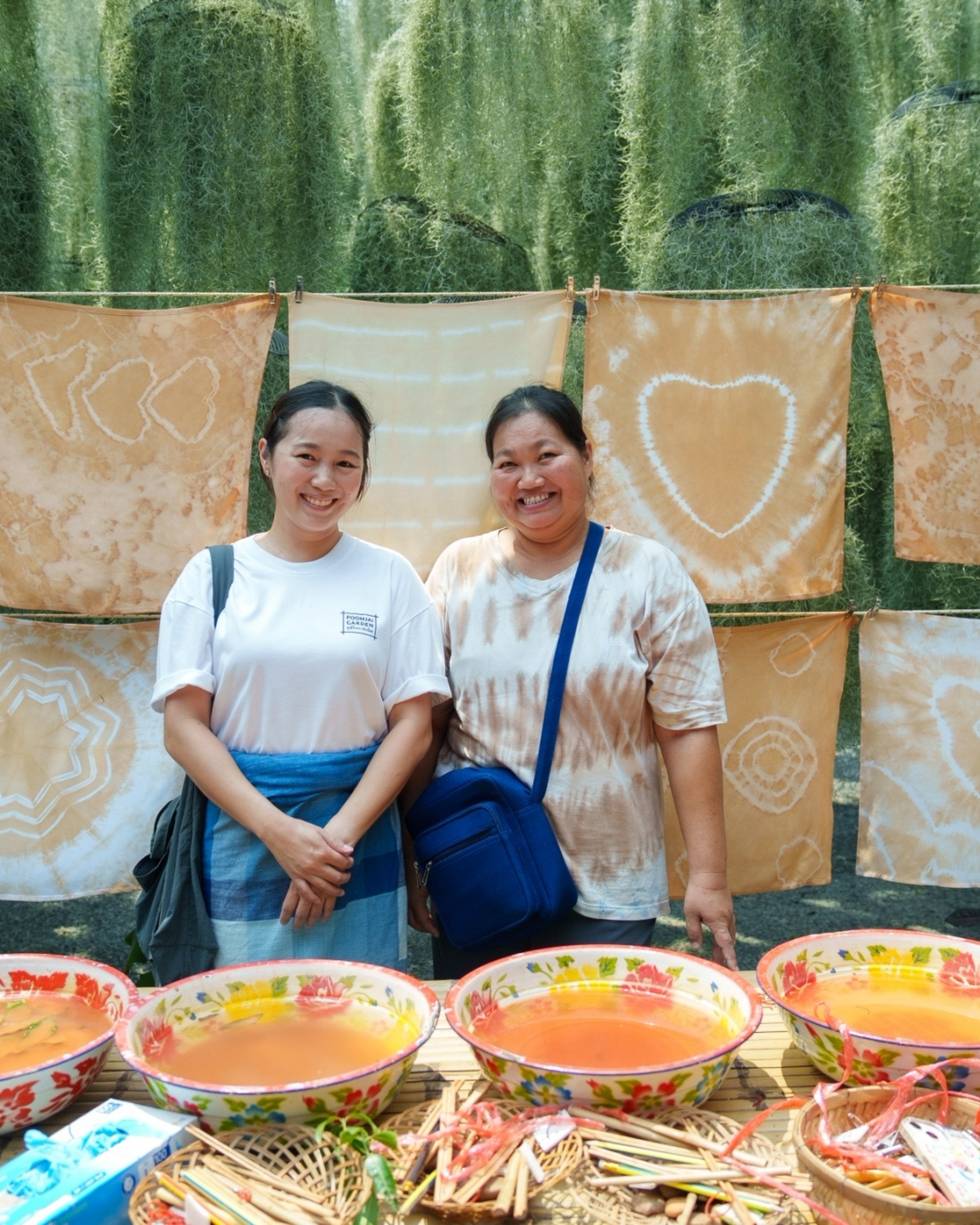
Dye cloth with natural color from the garden's own lychee leaves.
See more photos & details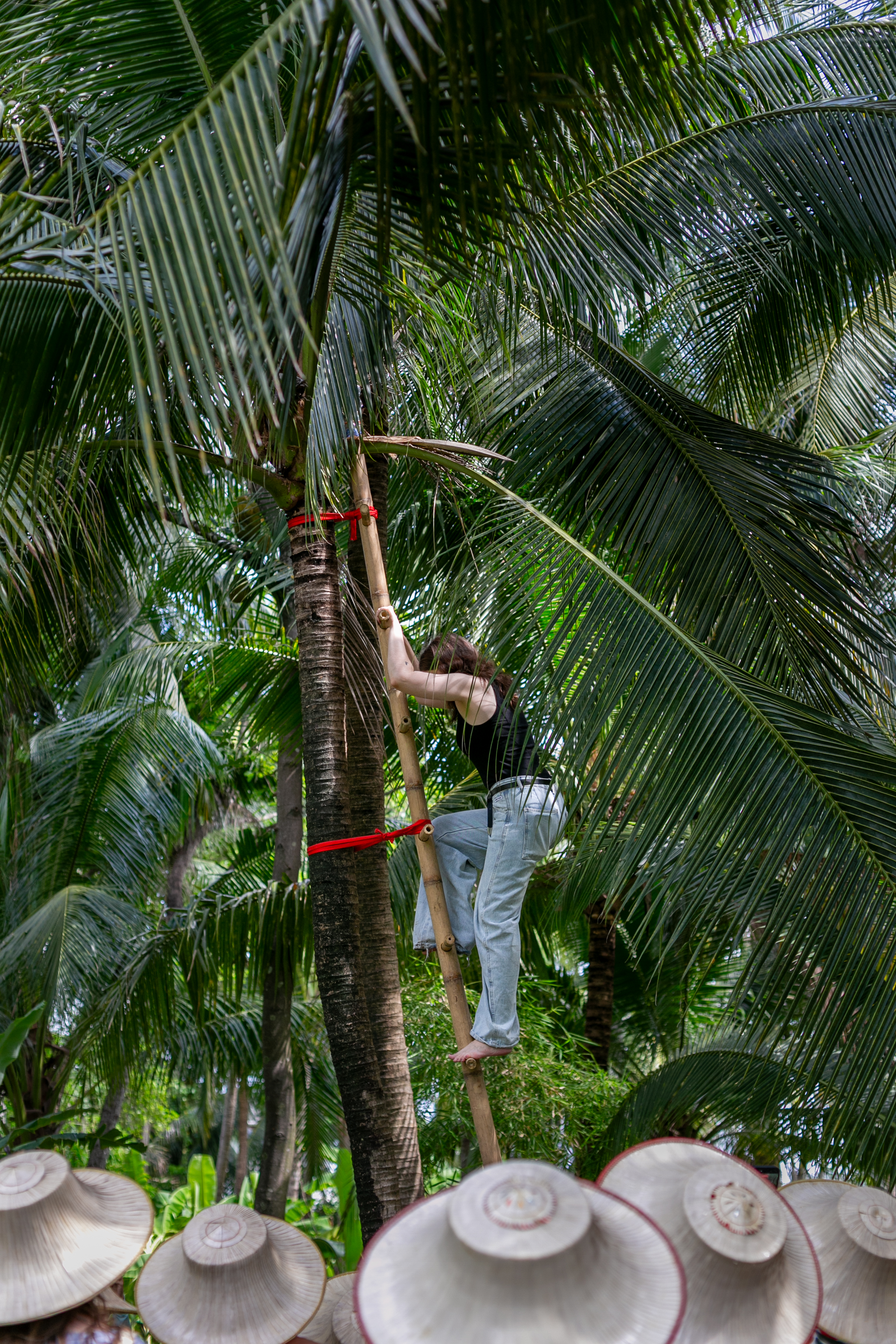
A two-hour boat trip to a nearby community coconut farm — from 2,800 THB.
See more photos & details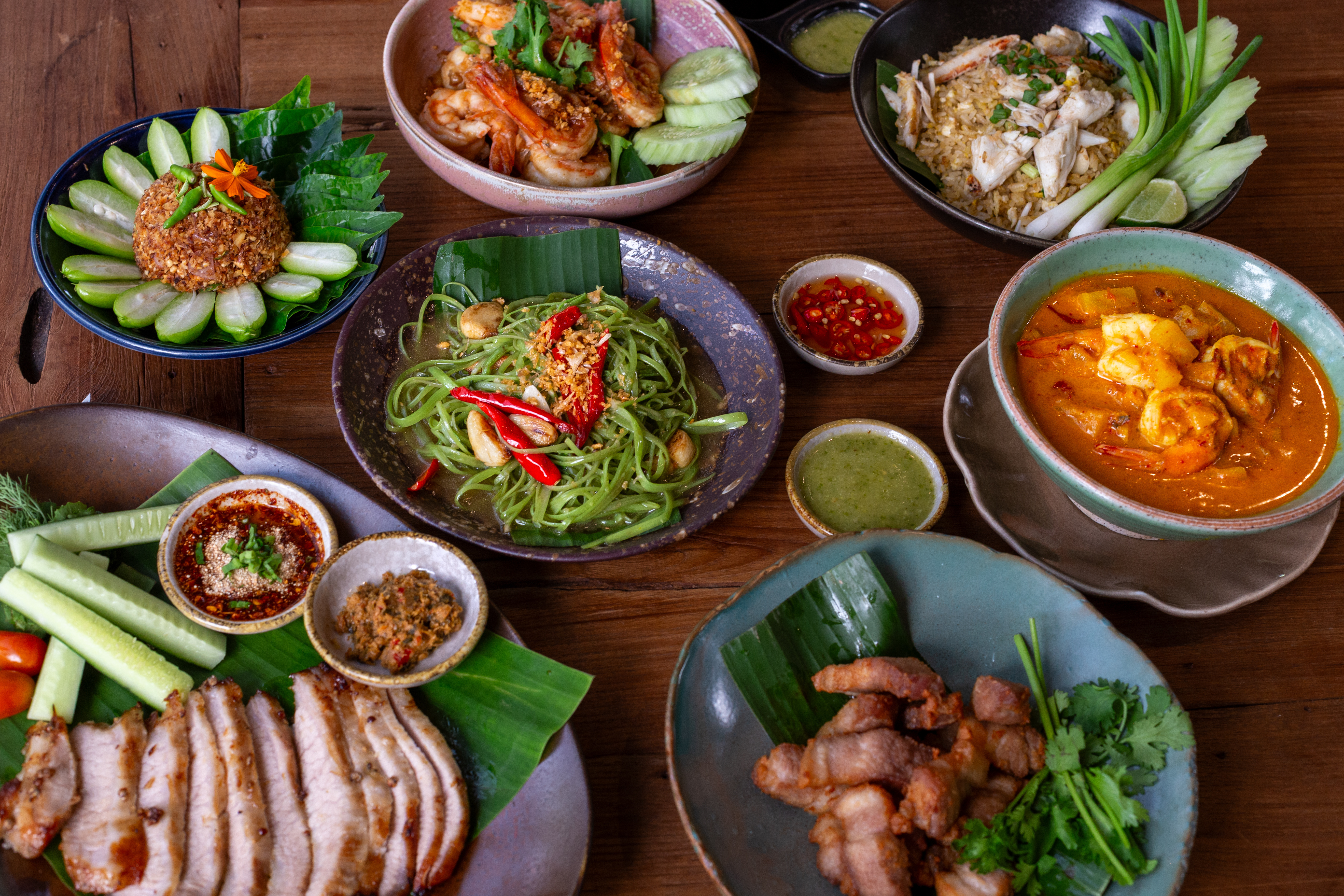
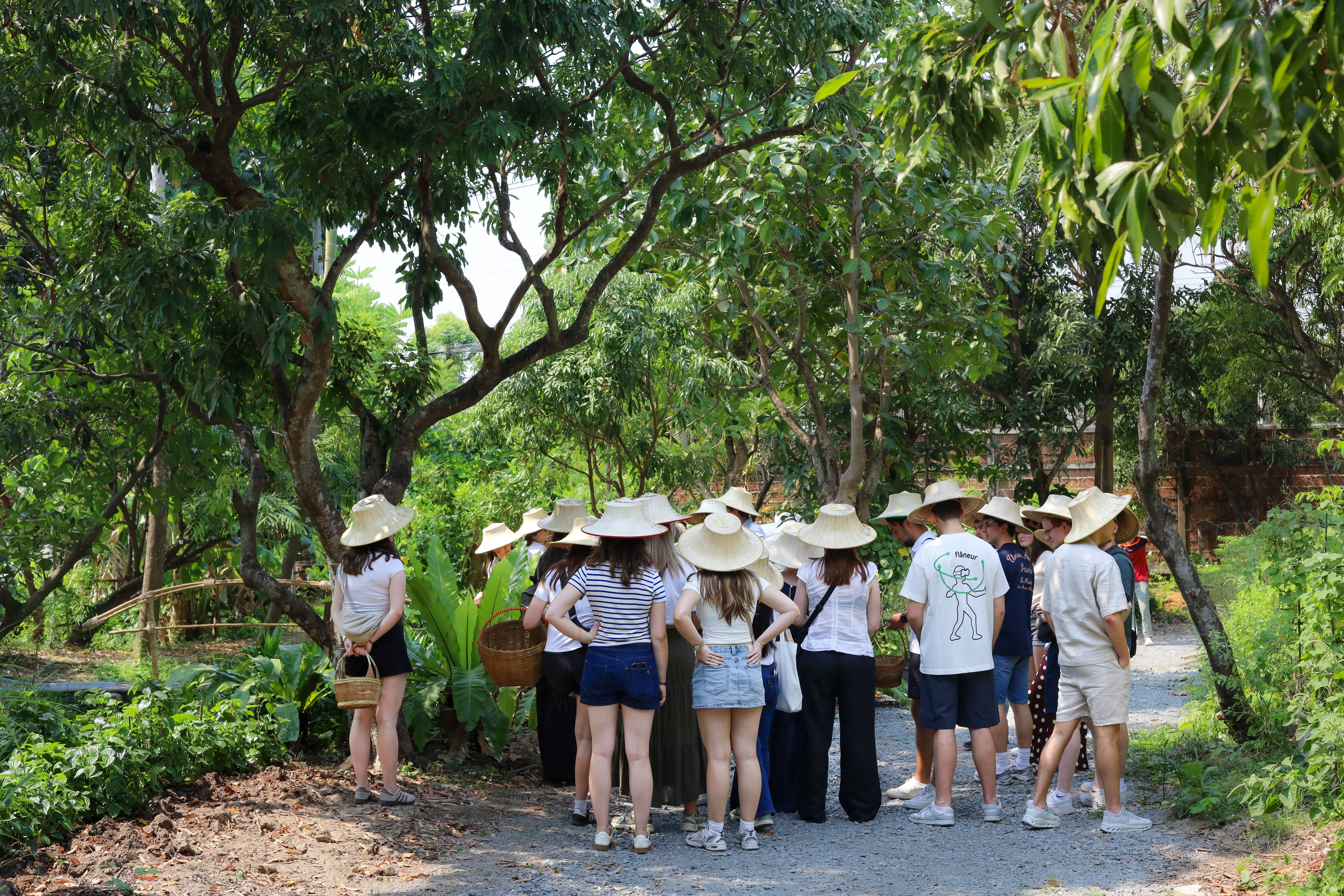
Poomjai Garden is also a TMVS (Thailand MICE Venue Standard)-certified sustainable MICE venue by TCEB — a cultural, historical setting for private events and meetings in Bangkok.
Book an experience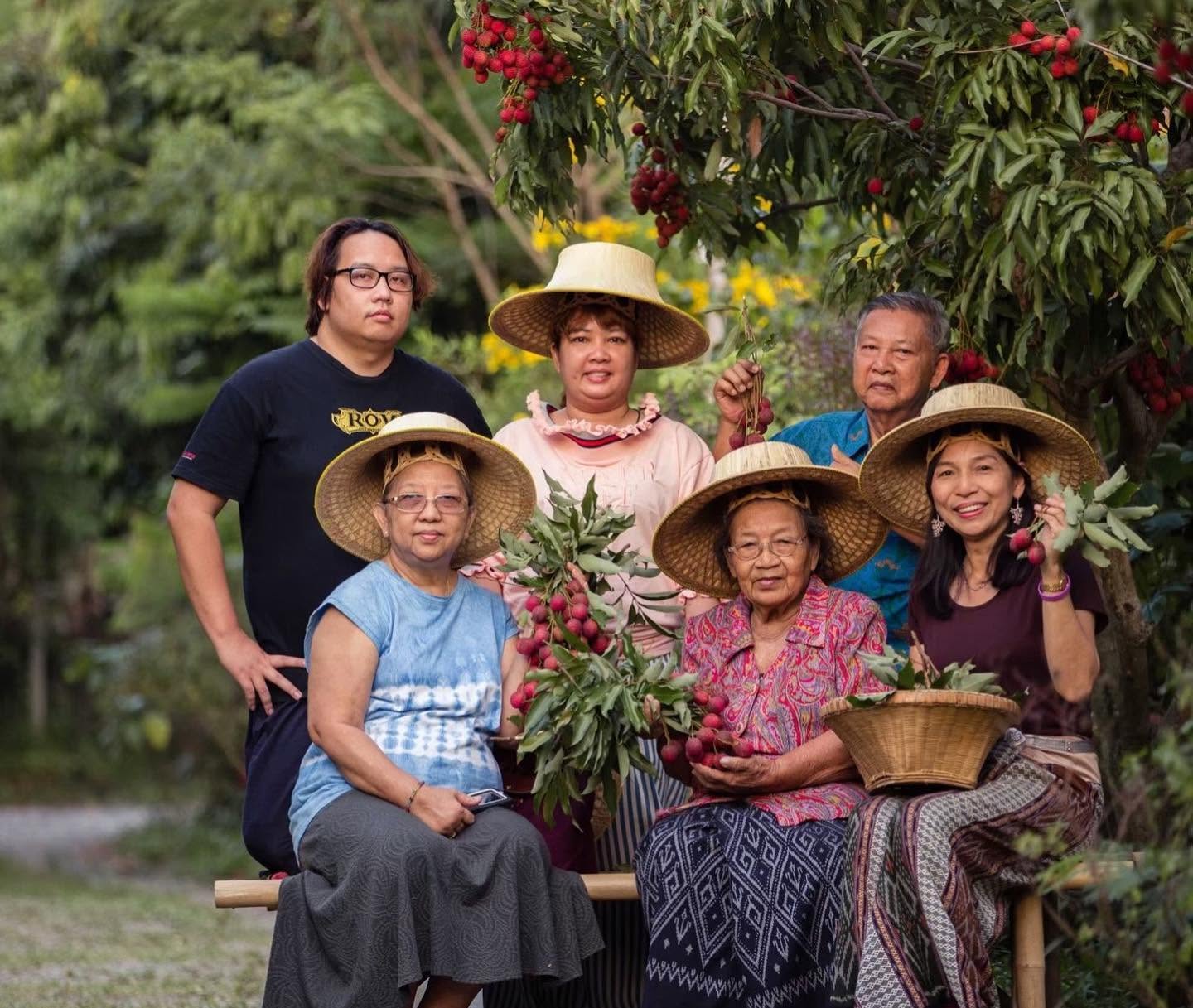
The heart of the garden
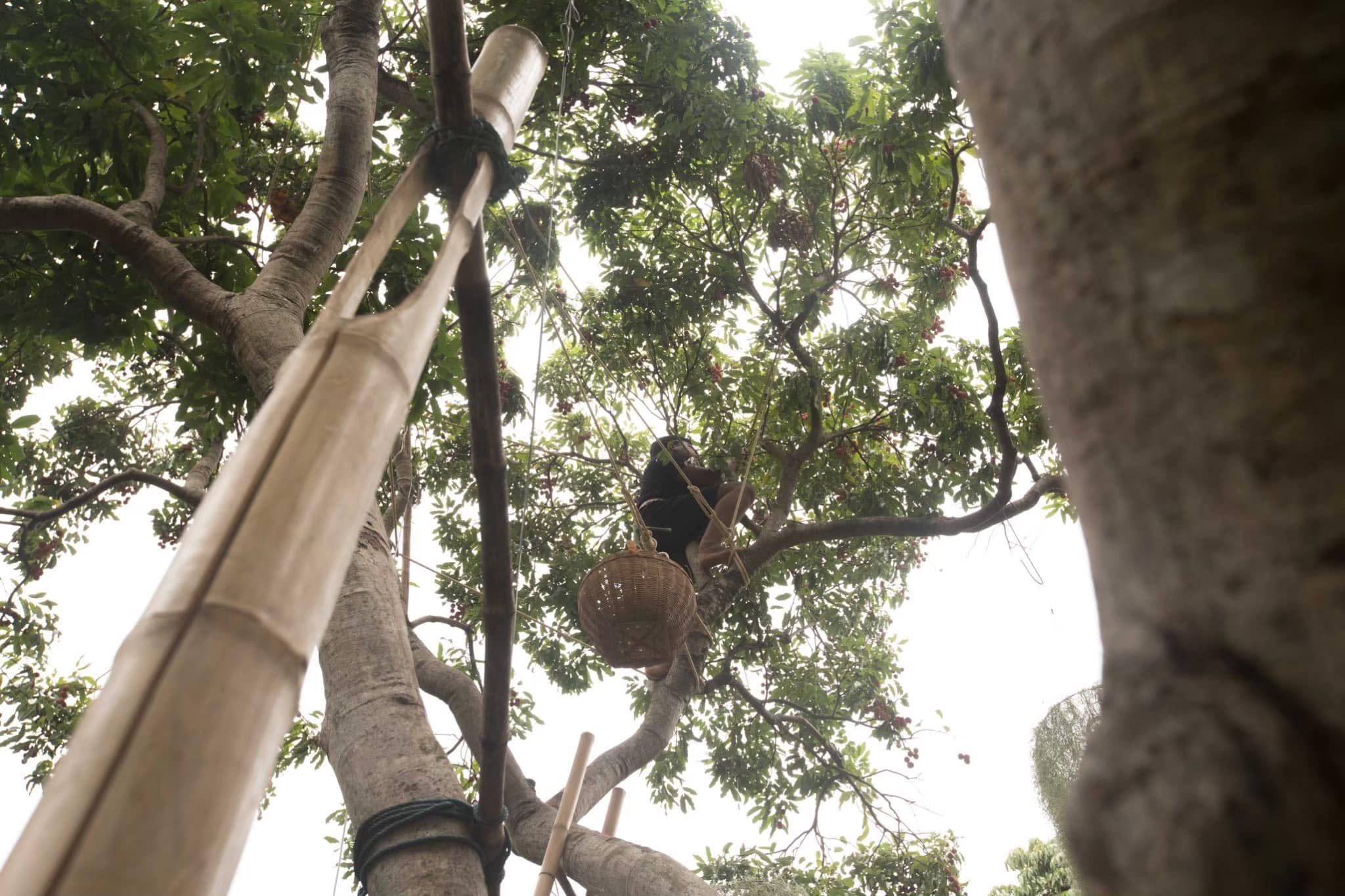
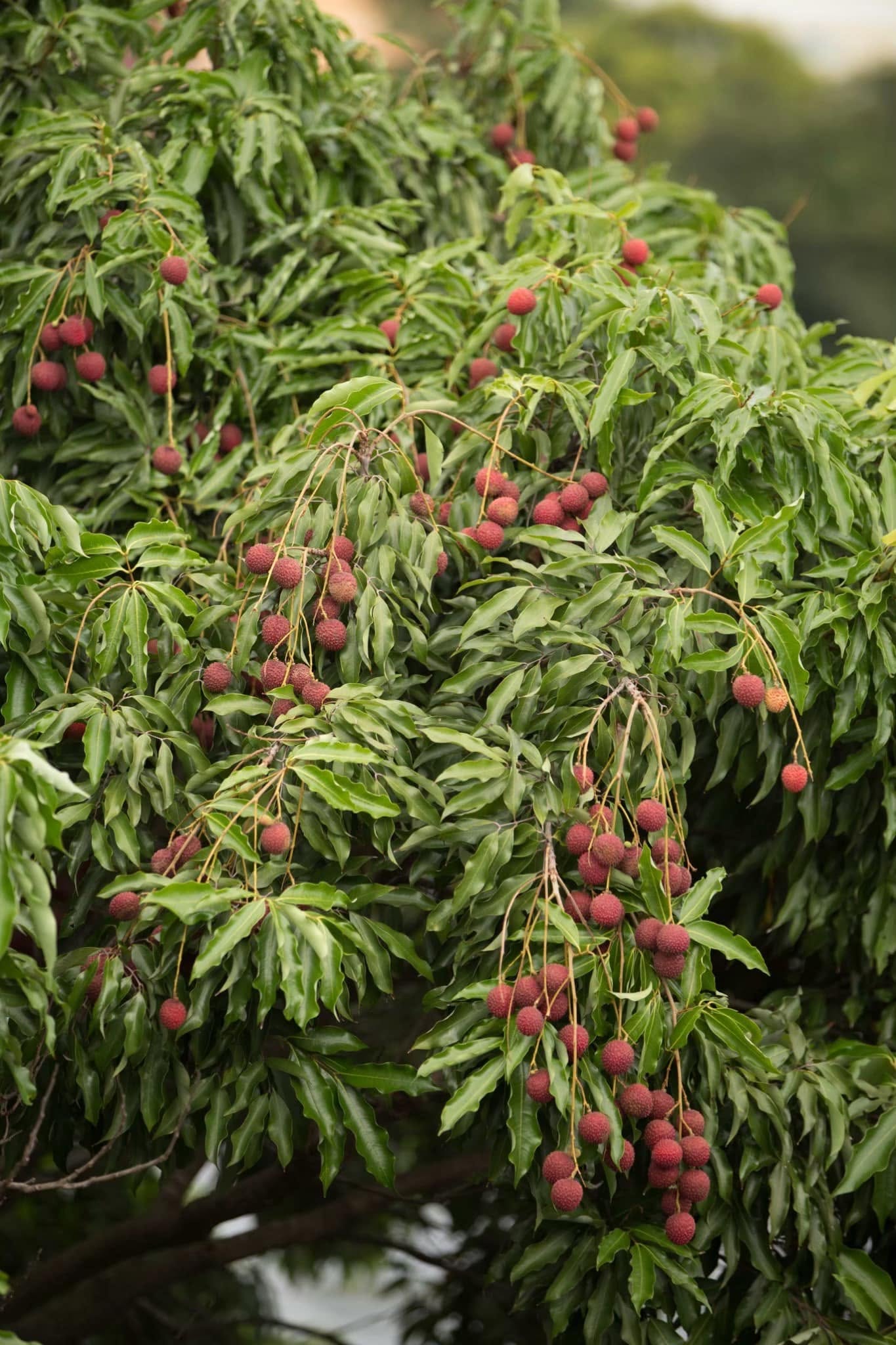
‘Bang Khun Thian lychee’ is the breath and the reason this place exists.
Trace the history of ‘Bangkok’ and ‘Thonburi’ back far enough — centuries before Queen Victoria ever took the throne on the other side of the world — and water was where everything began, and where everything centered. Back then, the Bang Khun Thian canal wasn't just a route for getting around; it was the great artery that stitched homes, temples, orchards, schools, and communities into a single, inseparable whole. The lush lychee orchards lining its banks were this neighborhood's way of life and its identity. Today, our garden is one of the few places left still carrying that same breath forward, a hundred years on.
Even now, as time has moved on and the old trees no longer flower and fruit as heavily as they once did, the value of this land has only rooted itself deeper. Every inch we've built here exists to embrace and honor these original lychee trees. We didn't build something new to replace the past — we chose instead to keep this place alive, so our roots could keep breathing alongside the water that has always run through them.
How the orchard shaped the garden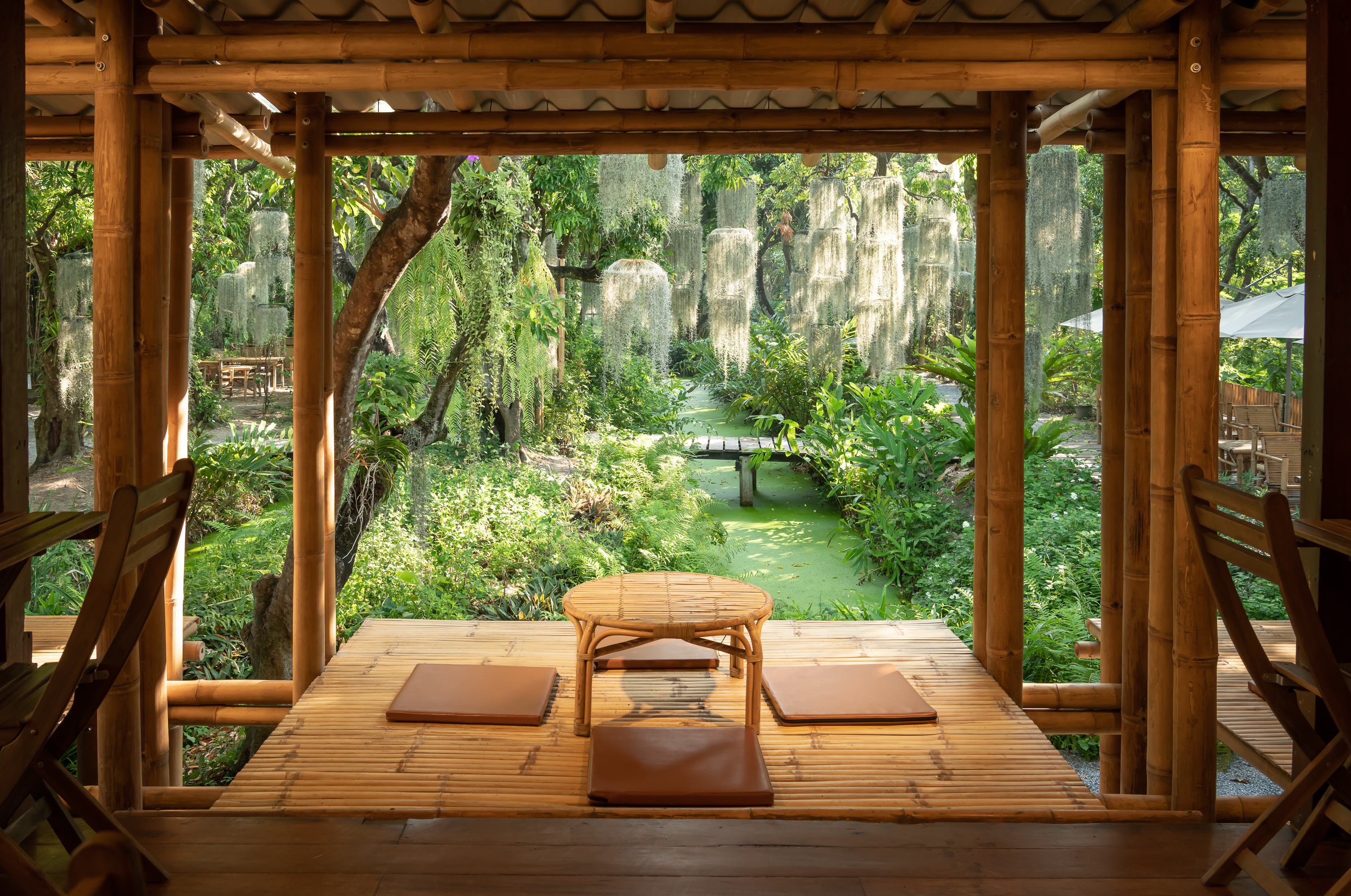
The Living Museum
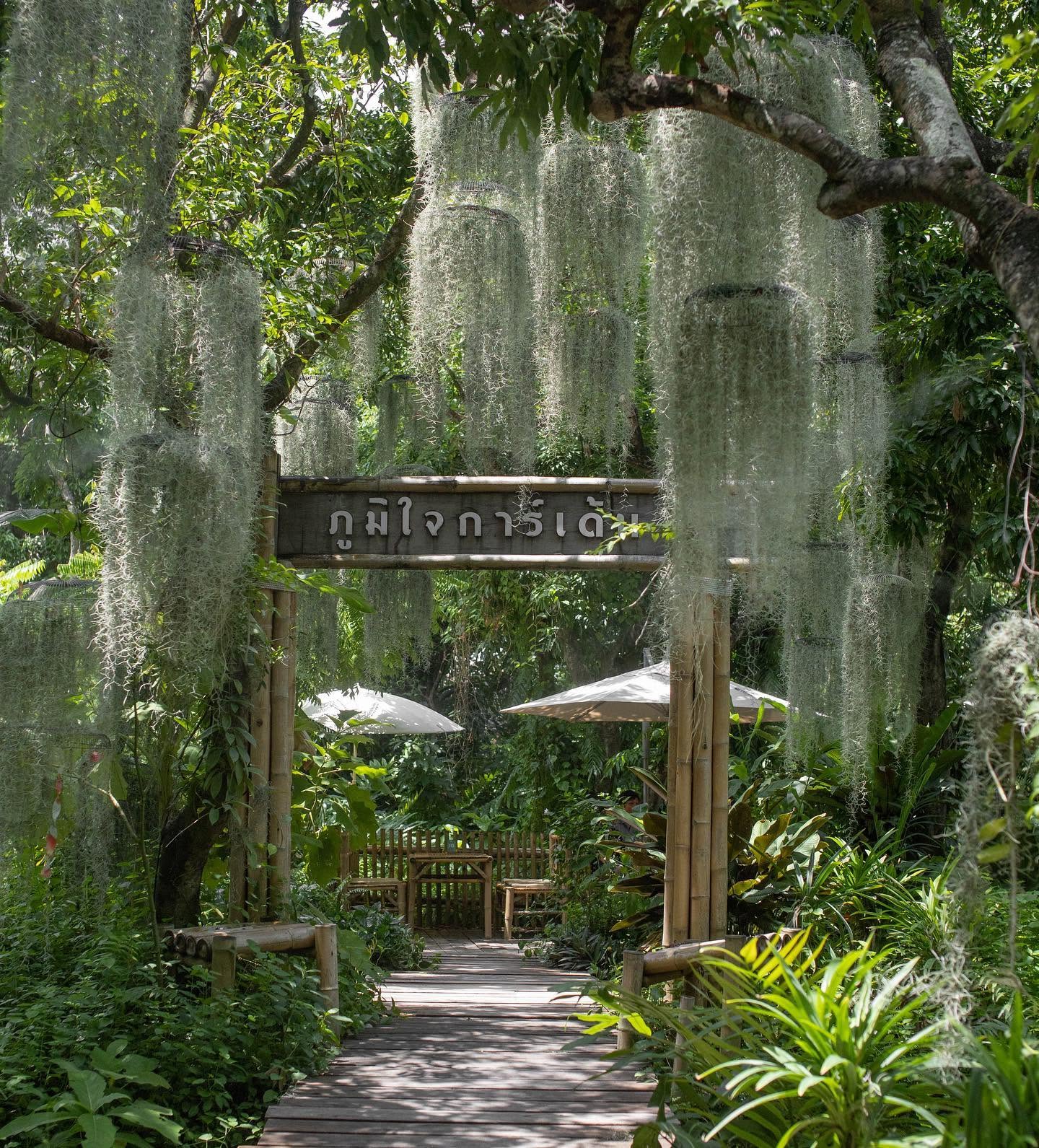
As green space in Bangkok slowly fades, and daily life drifts further from simplicity, Poomjai Garden has chosen to stand firm and protect these values. We're not just a conservation area — we're a living, working ‘organic Thai garden’ that actually feeds people.
Following the old philosophy of ‘eat, then plant; plant, then eat,’ this abundance fills the garden with the plants of a Thai kitchen: wild betel leaf, kaffir lime, lemongrass, galangal, bitter orange, tamarind, noni, holy basil, sweet basil, coral tree leaves, bilimbi, finger root, and ginger. These aren't just ornamental plants — they're safe, real produce, harvested fresh and sent straight from the garden's beds to Natura’s kitchen, every single day.
Because for us, the meaning of a ‘Thai garden’ was never just a landscaping style — it's ‘sustainability,’ rooted deep in how we think and how we live, from the very beginning.
Before it was a garden
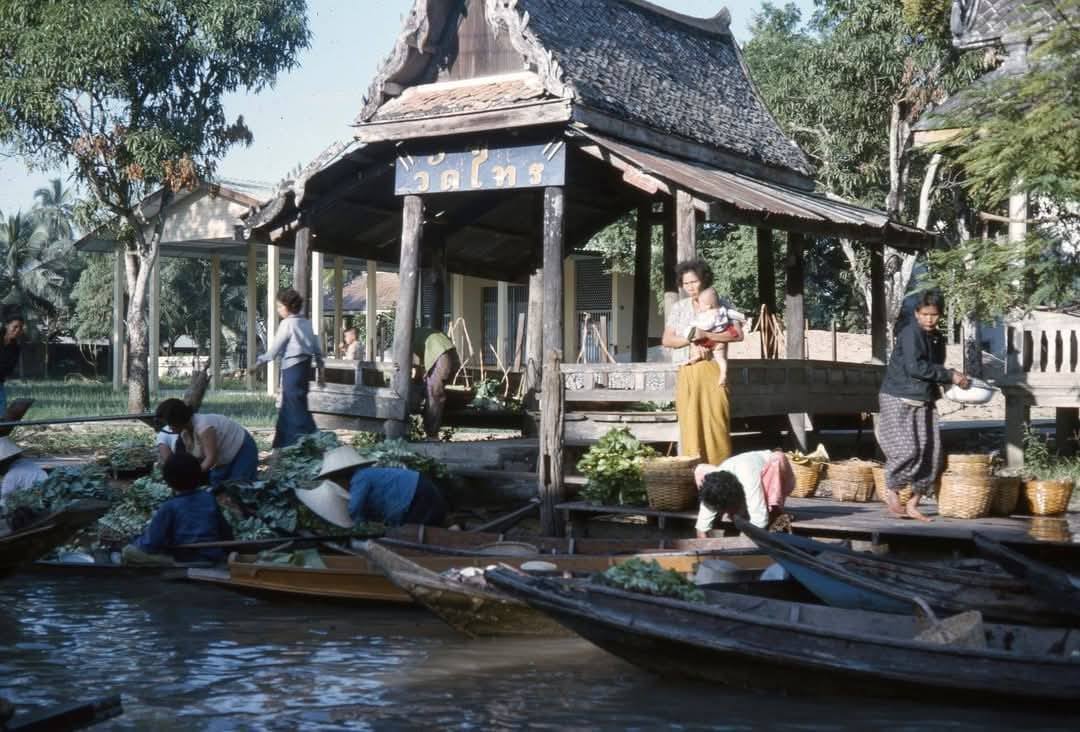
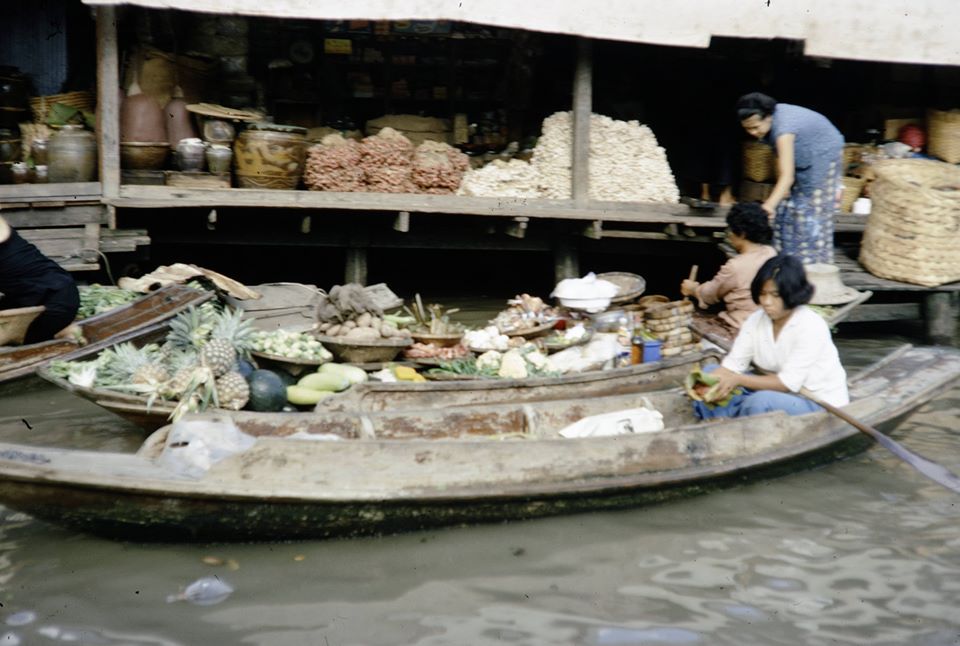
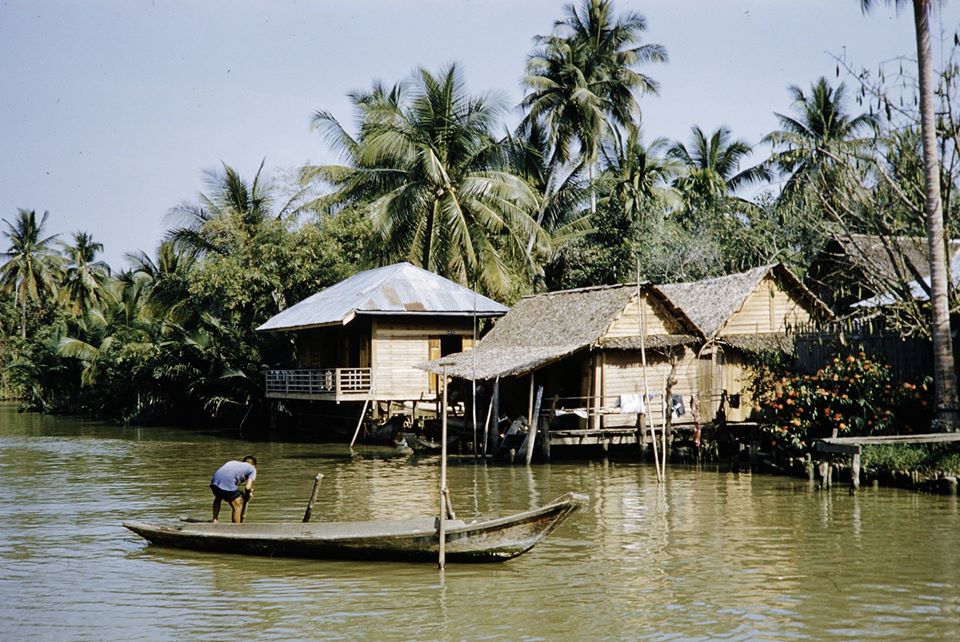
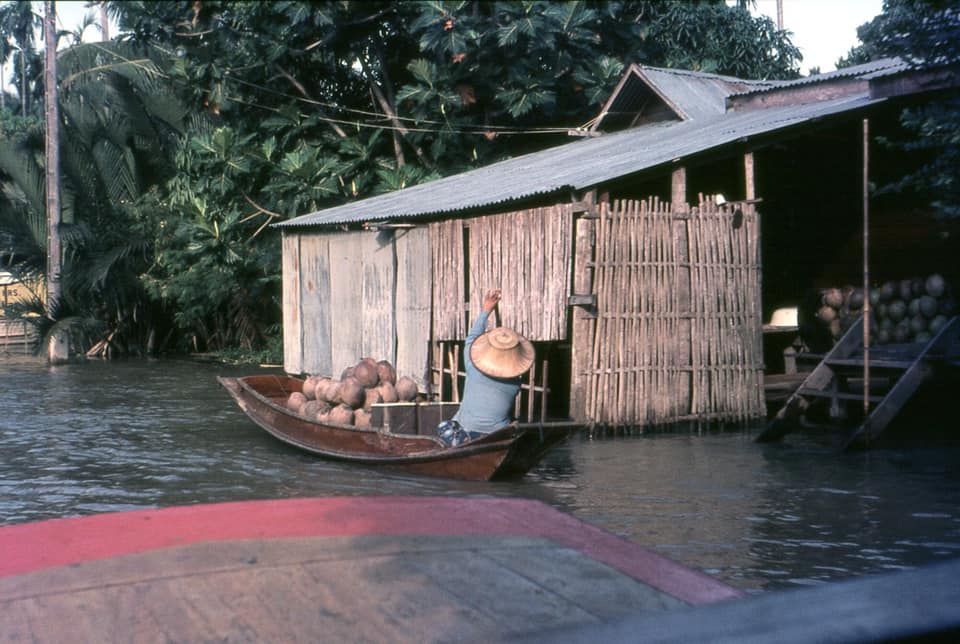
Long before Poomjai Garden opened, the Bang Khun Thian canal was already the center of daily life here. Its story reaches back to the early Rattanakosin era, when canals were dug across Thonburi for raised-bed orchard farming. A floating market ran along the water, homes stood on stilts, and boats loaded and unloaded at the Wat Sai pavilion. Bangkok once moved by water more than by road — and this stretch of it still remembers that.
Now
We didn't build a museum.
We kept a garden alive
and let people walk through it.
What holds the garden together

A community-based model, not a solo operation — boat drivers, gardeners, coconut growers, monks and temples all have a stake in what happens here. We still prioritize what's nearby first, but the same model now connects us with small farming communities across the country, so the ingredients on your plate stay as fresh as the ones grown a few steps away.
Not a slogan — a practice you can see: composting beds, canal irrigation, a harvest that follows the season instead of the calendar. Sustainability visitors can learn and take home.
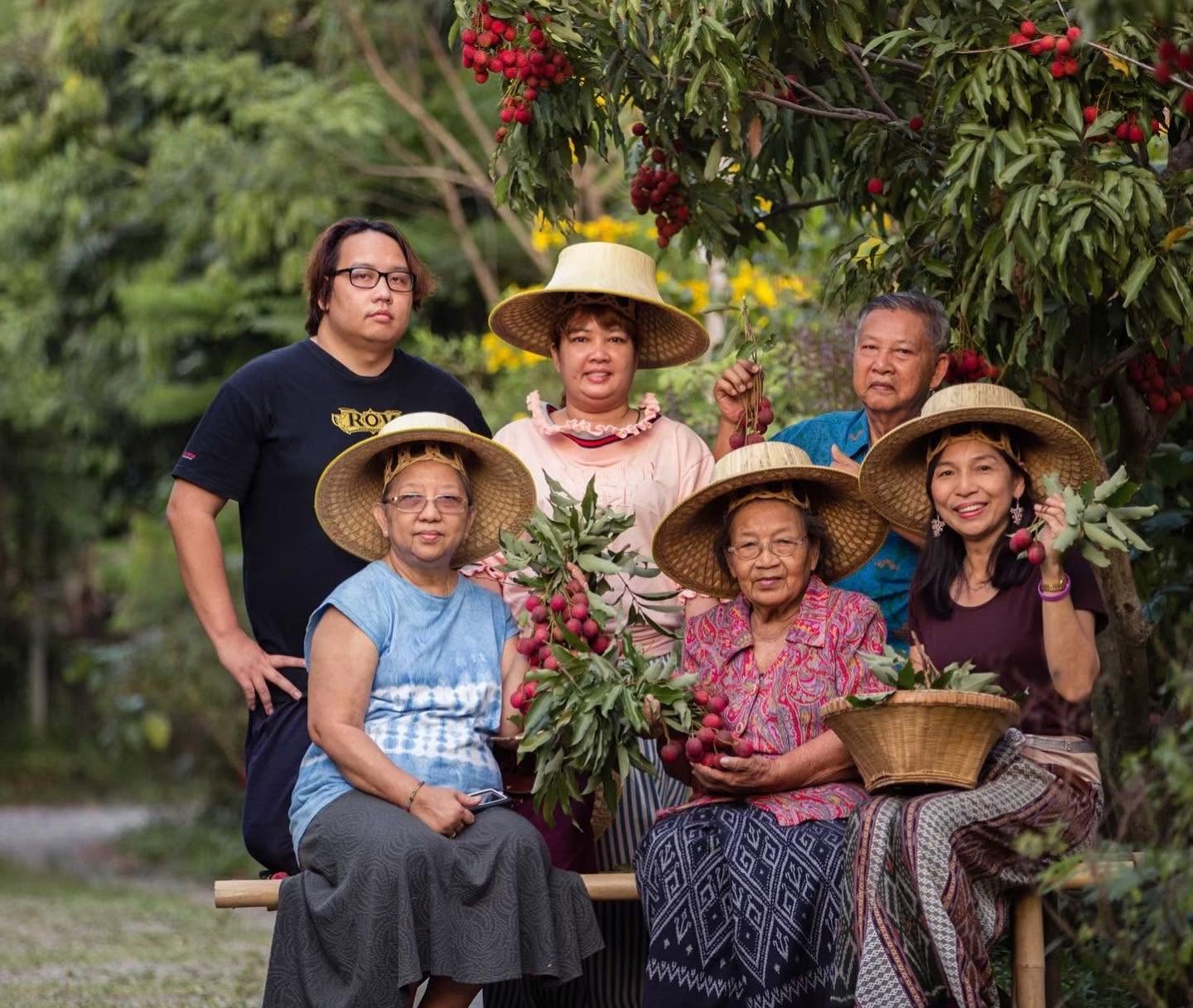
A living heritage held open to everyone — students on a field trip, neighbors on a Sunday walk, and the families who have farmed this land for generations.
Visit
As featured in










Practical sustainability
Every part of the garden is a small, working demonstration: rainwater feeds the canal beds, kitchen scraps return to the orchard as compost, and produce is served only when it's actually in season. We'd rather show visitors one working compost bed than print a page of promises.
See what grows here